Knee replacement is generally considered for significant knee joint damage that causes persistent symptoms and limits everyday function. Although the operation is widely known, many patients are uncertain about when it becomes relevant and what the treatment process involves.
Dr Amey Adate’s orthopaedic work includes conventional and robotic-assisted knee replacement surgery as part of his knee-focused practice in Mumbai.
Why Knee Replacement Becomes Necessary
Osteoarthritis is one of the common conditions associated with progressive knee deterioration. As cartilage wears down, movement can become increasingly painful and restricted.
A person may begin noticing difficulty with:
- Walking longer distances
- Climbing stairs
- Standing from a seated position
- Household activities
- Sleep due to knee discomfort
- Maintaining an active lifestyle
Treatment usually depends on symptom severity and clinical findings rather than age alone.
What Happens During Knee Replacement
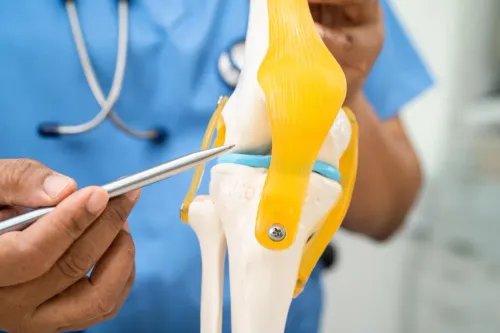
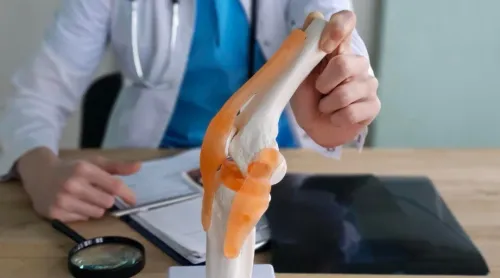
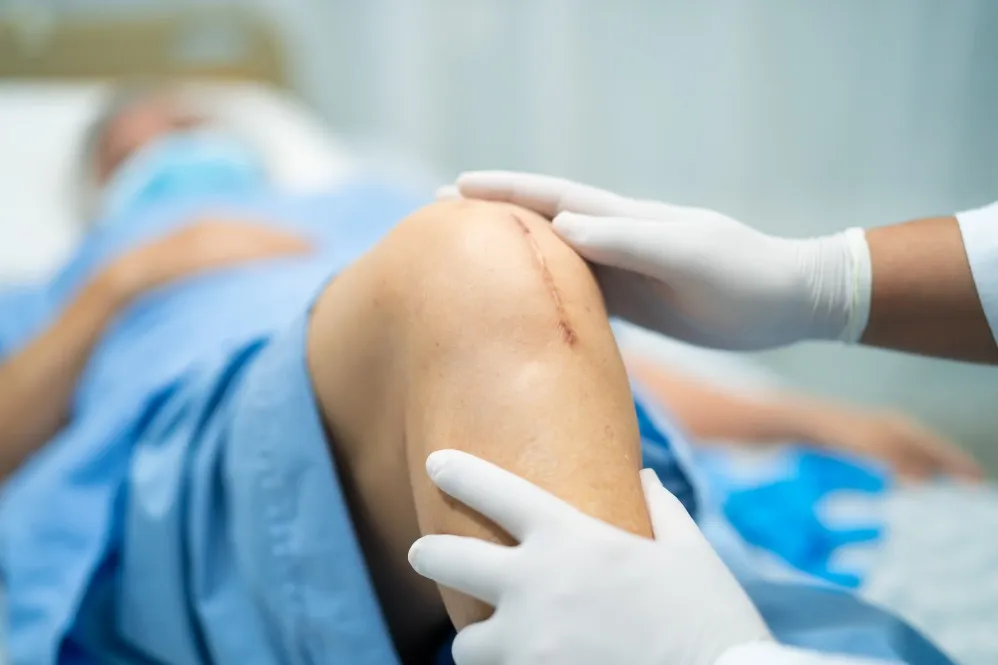
During knee replacement surgery, damaged joint surfaces are removed and replaced with prosthetic components designed to recreate functional joint surfaces.
The exact surgical plan varies according to the patient's anatomy, joint damage, alignment and clinical requirements.
Modern knee replacement planning may involve conventional techniques or technology-assisted approaches. However, the suitability of any particular method needs to be determined individually.
Preparation Matters
Patients being considered for knee replacement generally undergo clinical assessment and appropriate investigations. Existing health conditions, medicines, mobility and home support may also need to be considered.
Patients should understand the expected rehabilitation process before proceeding with surgery.
Rehabilitation After Surgery
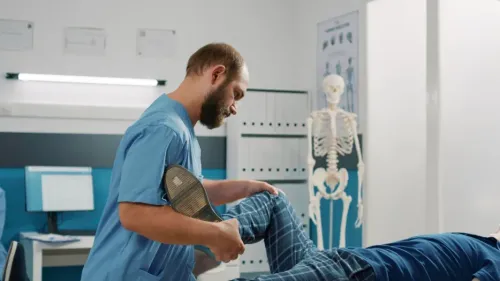
Recovery does not finish when the operation ends. Physiotherapy and progressive mobilisation are important parts of regaining knee movement and functional independence.
Early goals may include safe standing and walking. Later rehabilitation can focus on improving movement, strength and everyday function.
Recovery differs between individuals, so comparisons with another patient's timeline may not be useful.
For people in Powai and surrounding Mumbai neighbourhoods experiencing persistent knee pain that substantially restricts mobility, an orthopaedic assessment can help determine the extent of joint damage and whether knee replacement needs to be considered.
Keywords