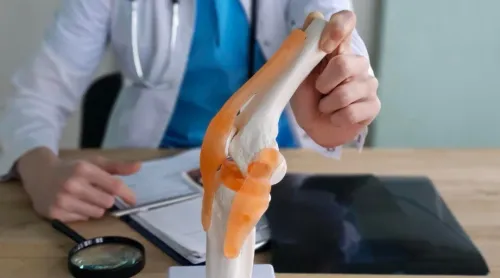
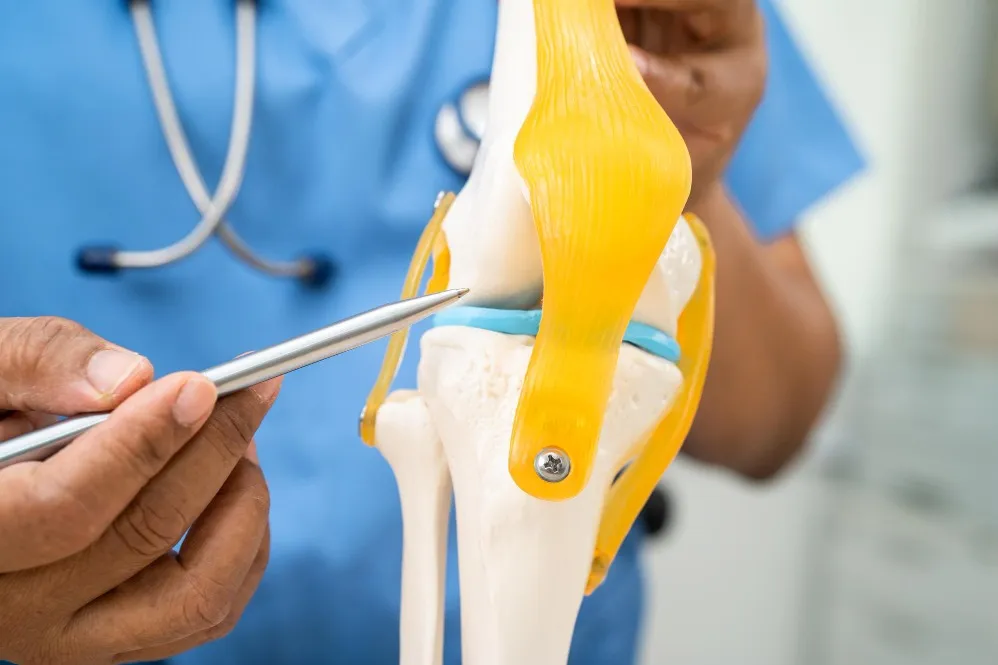
Joint pain is common, but persistent pain should not always be treated as a temporary strain. Pain in the knee, shoulder, hip, ankle, wrist, or other joints may develop because of an injury, arthritis, cartilage damage, ligament problems, fractures, or age-related changes. A Bone Specialist can evaluate the underlying cause and determine whether simple treatment is sufficient or further investigation is needed.
For patients in Ghatkopar, seeking an orthopaedic assessment at the right stage can be particularly useful when pain begins affecting walking, exercise, work, sleep, or everyday movements.
Signs That Deserve an Orthopaedic Assessment
Occasional mild discomfort after unusual physical activity may improve with rest. However, certain symptoms deserve closer attention.
Consider consulting a specialist when you experience:
- Joint pain that continues for several days
- Repeated swelling around a joint
- Difficulty bearing weight on one leg
- Reduced shoulder or knee movement
- Pain following a fall or sports injury
- Joint stiffness that affects routine activities
- Clicking accompanied by pain or instability
- Visible deformity after an injury
- Persistent pain despite basic treatment
Numbness, significant weakness, inability to use a limb, or severe pain after trauma may require more urgent medical assessment.
What Does a Bone Specialist Check?
Orthopaedic evaluation usually starts with understanding where the pain occurs, when it started, and what makes it better or worse. The doctor may also ask about previous injuries, sports activities, occupation, medical conditions, and earlier treatment.
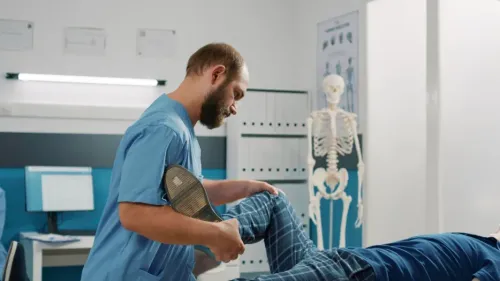
A physical examination can help assess movement, tenderness, swelling, stability, muscle strength, and joint function.
Depending on the findings, investigations such as X-rays, MRI scans, CT scans, or blood tests may be recommended. Not every patient requires advanced imaging. The investigation should be selected according to the suspected problem.
Joint Pain Does Not Automatically Mean Surgery
One reason people delay an orthopaedic consultation is the fear that seeing a surgeon will immediately lead to an operation. In reality, many musculoskeletal conditions can initially be managed without surgery.
Treatment may involve activity modification, medication, physiotherapy, strengthening exercises, weight management, supportive devices, or injections in selected situations.
Surgery becomes relevant when the condition itself requires repair or reconstruction, when joint damage is advanced, or when appropriate conservative treatment has not provided adequate improvement.
Why Early Diagnosis Can Matter
Ignoring persistent symptoms can sometimes allow an injury or joint condition to progress. A person with knee instability, for example, may repeatedly twist the knee. Someone with shoulder pain may gradually stop using the arm normally, contributing to stiffness and weakness.
Early assessment does not necessarily mean more treatment. It can help patients understand what movements are safe, what activities should temporarily be avoided, and what recovery plan is appropriate.
Choosing the Next Step
The useful question is not simply whether joint pain is severe enough to tolerate. Consider whether it is changing how you move or function.
Dr Amey Adate evaluates patients with joint problems, injuries, fractures, ligament conditions, and other orthopaedic concerns. A structured assessment can help distinguish problems that need rehabilitation from conditions requiring surgical consideration.
Persistent joint symptoms deserve a diagnosis rather than repeated self-treatment. Understanding the cause is the first step toward choosing an appropriate treatment plan.
Keywords