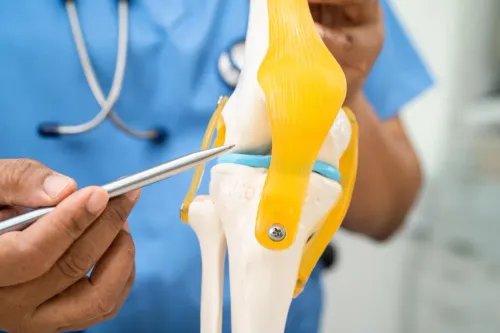
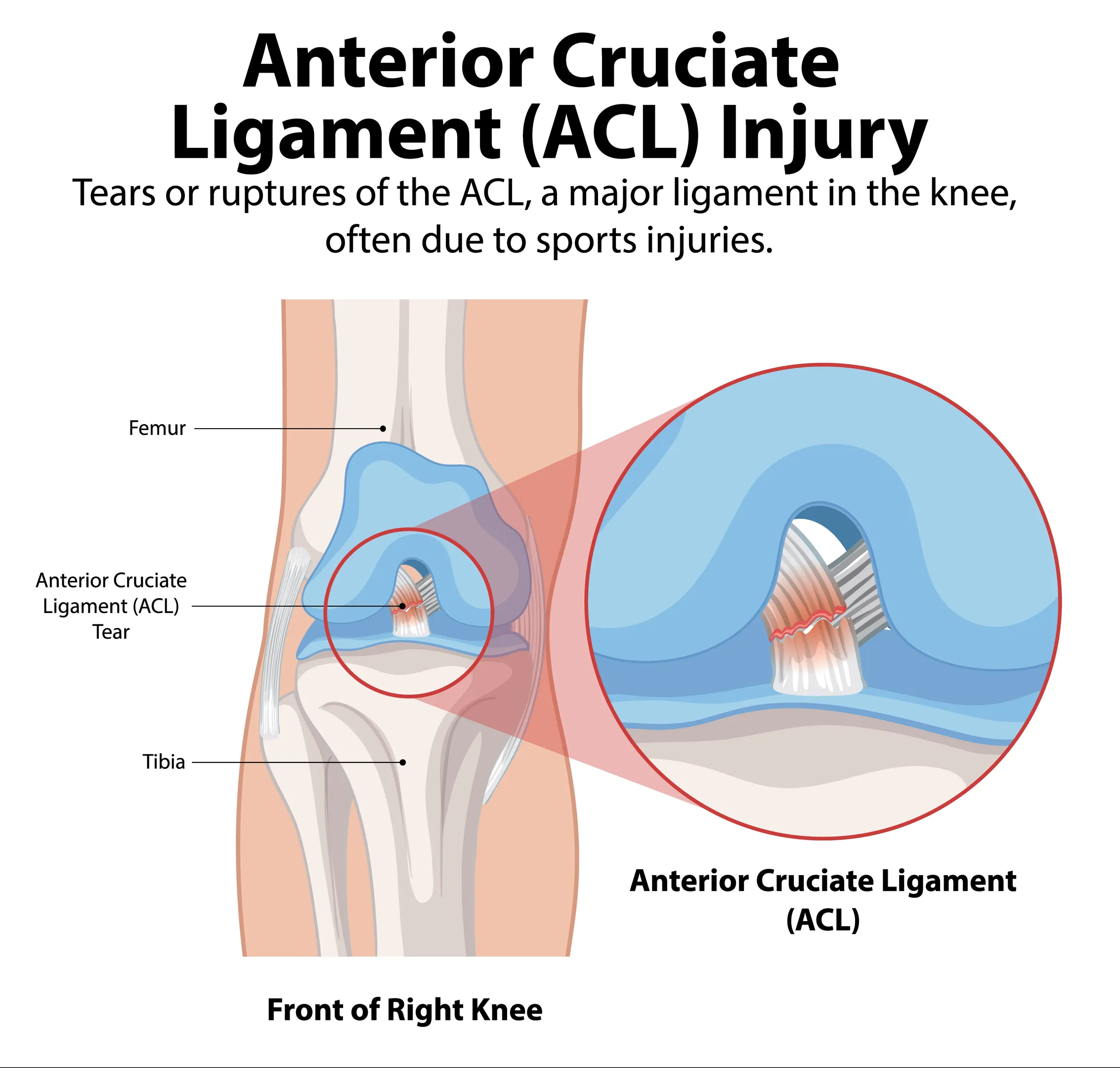
An ACL tear can happen within seconds, yet its effects may continue to interfere with walking, exercise, sport and everyday movement for months. The anterior cruciate ligament is one of the important stabilising structures inside the knee, helping control movement when the body turns, changes direction or stops suddenly.
Dr Amey Adate provides orthopaedic care in Ghatkopar, Mumbai, with a clinical focus that includes knee injuries and arthroscopy. For people who develop knee symptoms after a sports injury, fall or sudden twisting movement, timely assessment can help determine the nature and severity of the injury.
Common Signs of an ACL Injury
People with an ACL tear may experience different symptoms depending on whether the ligament is partially or completely injured. Common concerns include:
- A popping sensation at the time of injury
- Rapid swelling around the knee
- Difficulty putting weight on the affected leg
- Reduced knee movement
- Pain during walking or bending
- A feeling that the knee is unstable
- Difficulty changing direction while running
Some people feel better after the initial swelling settles and assume that the knee has recovered. However, persistent instability may indicate that the ligament is not functioning normally.
How ACL Tears Are Evaluated
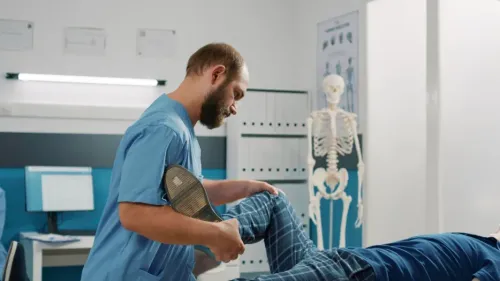
An orthopaedic assessment generally begins with understanding how the injury occurred. The knee is examined for swelling, tenderness, movement and stability.
Imaging may be recommended when clinically appropriate. X-rays can help evaluate associated bone injuries, while MRI can provide detailed information about ligaments, cartilage, menisci and other soft tissues.
The presence of an ACL tear does not automatically mean that every patient requires surgery. Treatment decisions depend on factors such as the extent of injury, associated knee damage, activity level, occupation, sporting requirements and episodes of instability.
Treatment May Differ From Person to Person
For selected patients, rehabilitation focusing on strength, movement and knee control may form an important part of treatment. Other patients, particularly those with significant instability or specific activity requirements, may be evaluated for ACL reconstruction.
Recovery also involves more than treating the ligament itself. Restoring muscle strength, balance, movement control and confidence in the knee can be important for returning to daily activities and sport.
People in Ghatkopar and surrounding areas of Mumbai who continue to experience swelling, instability or difficulty using the knee after an injury should consider an orthopaedic evaluation. Understanding exactly what has been injured is the first step towards selecting an appropriate treatment plan.
Keywords