Choosing an Orthopaedic Surgeon becomes important when persistent pain, an injury, joint instability, or restricted movement is no longer improving with basic care. The decision should be based on clinical expertise, diagnosis-specific experience, communication, and a clear treatment process rather than a single promotional claim.
Patients seeking orthopaedic care in Kurla can make a more informed choice by knowing what to evaluate before booking treatment.
Start With the Problem You Need Treated
Orthopaedics covers a broad range of conditions, including fractures, arthritis, sports injuries, ligament tears, shoulder disorders, knee problems, trauma, and joint replacement.
The first question should therefore be whether the surgeon regularly evaluates the type of condition you have.
Someone with an ACL injury may need expertise in arthroscopy and sports-related ligament reconstruction. A patient with severe knee arthritis may need assessment for joint replacement. Complex fractures can require different surgical planning again.
Relevant experience matters more than choosing a provider based only on a broad label.
Expect a Proper Clinical Assessment
A responsible consultation should not begin with a predetermined procedure.
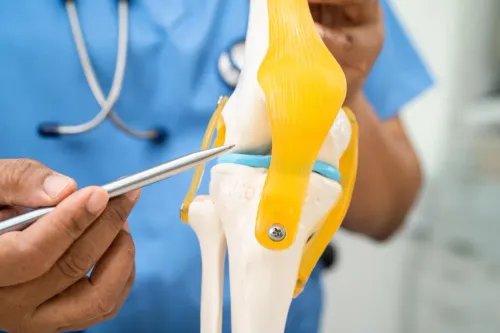
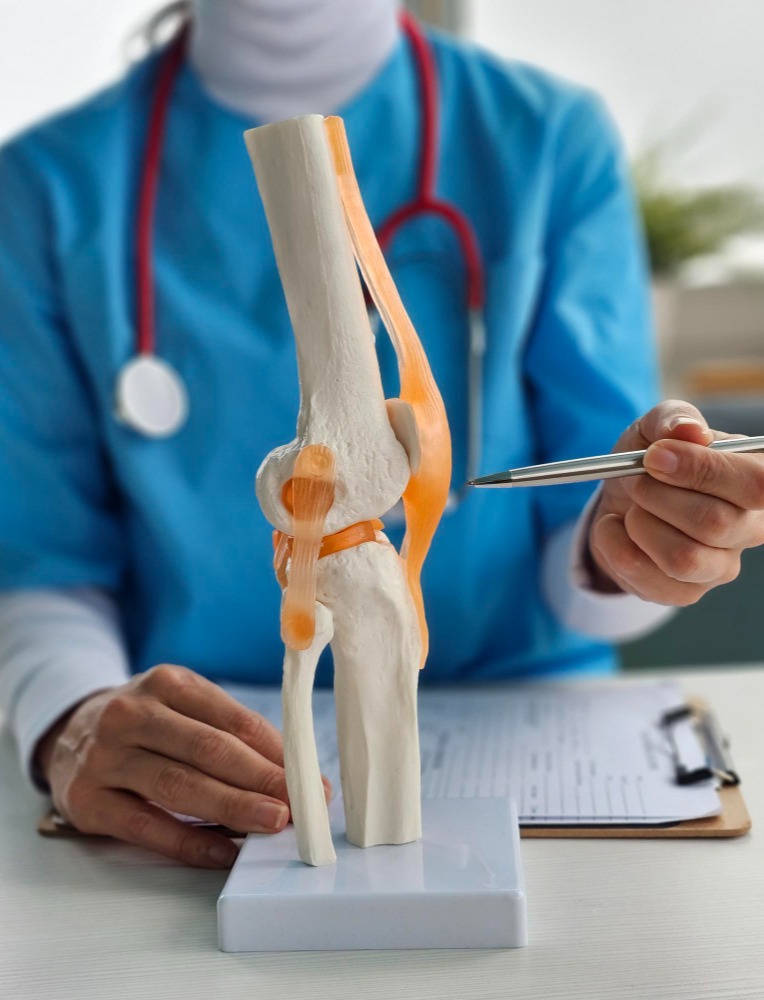
The surgeon should understand your symptoms, medical history, previous treatment, activity level, and functional limitations before recommending treatment. Physical examination and appropriate imaging help confirm the diagnosis.
Patients should also have an opportunity to explain what they want to regain, whether that means comfortable walking, returning to work, climbing stairs, or resuming sport.
Ask Why a Particular Treatment Is Recommended
A useful consultation should clarify:
- What is causing the symptoms?
- Is surgery necessary at this stage?
- What non-surgical options remain?
- What procedure is being considered?
- What are the important risks?
- What recovery period can reasonably be expected?
- Will physiotherapy be required?
- What limitations should be expected after treatment?
Clear answers help patients participate in the decision rather than simply agreeing to a procedure they do not understand.
Look Beyond Surgical Technology
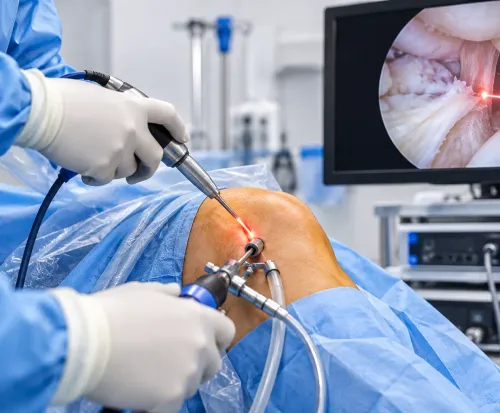
Robotic systems, arthroscopic techniques, advanced implants, and modern imaging can support orthopaedic treatment. Technology, however, should complement clinical judgment rather than replace it.
The important issue is whether a particular technique offers a meaningful advantage for the patient's condition.
Similarly, minimally invasive surgery is not automatically the best option for every injury. Procedure selection should follow diagnosis.
Consider the Recovery Plan
Good orthopaedic care includes what happens after treatment.
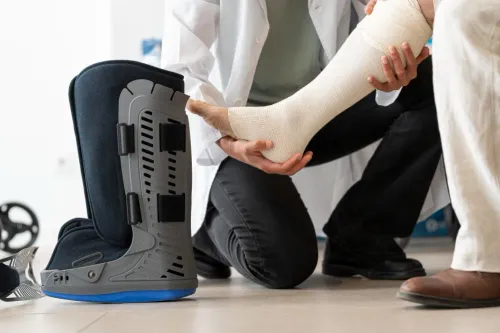
For surgery, patients should understand wound care, medication, movement restrictions, physiotherapy, follow-up, return to work, and warning signs that require medical attention.
For non-surgical management, there should still be a clear plan for rehabilitation and reassessment.
Dr Amey Adate works in knee, shoulder, joint replacement, arthroscopy, ligament injury, fracture, and trauma-related orthopaedic care. Patients considering consultation can use the first appointment to understand both their diagnosis and available treatment pathways.
Choosing a surgeon is ultimately about informed confidence. A patient should leave the consultation knowing what the problem is, why a treatment is being recommended, what alternatives exist, and what recovery is likely to involve.
Keywords