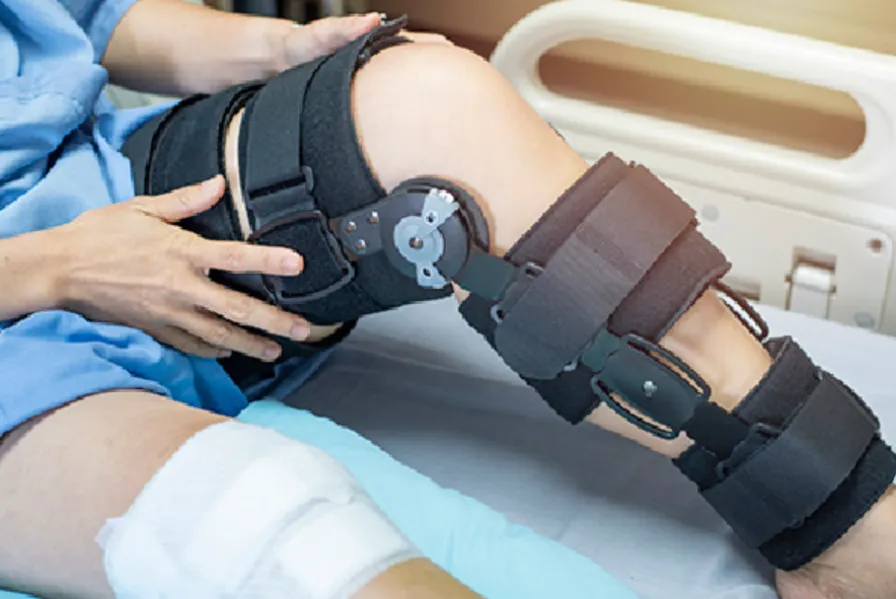
Ligament injuries are often associated with athletes, but they can occur during ordinary activities as well. A missed step, awkward landing, road accident or sudden twist can place excessive stress on the structures that stabilise a joint.
For patients around Powai and nearby parts of Mumbai, understanding the early signs of a ligament injury can help prevent repeated stress on an already injured joint.
What Happens When a Ligament Is Injured
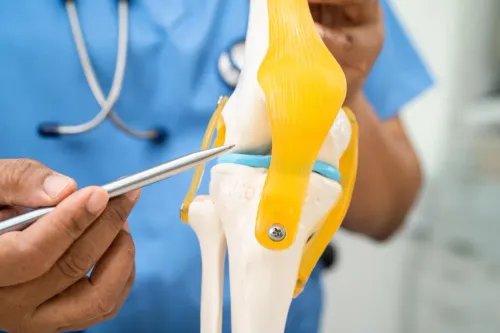
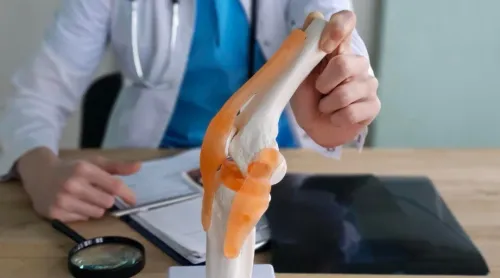
Ligaments are strong bands of connective tissue that connect bones and contribute to joint stability. When excessive force stretches a ligament beyond its normal capacity, the fibres can become strained or torn.
Ligament injuries are commonly described according to severity. A mild sprain may involve overstretching, while more significant injuries can involve partial or complete tears.
Knee and ankle ligaments are frequently affected during sports, although ligament damage can occur in other joints as well.
Symptoms That Need Attention
Pain is not the only sign of a ligament injury. Depending on the joint and severity, a person may notice:
- Swelling
- Bruising
- Reduced movement
- Tenderness
- Difficulty bearing weight
- Joint instability
- Repeated buckling
- Difficulty returning to exercise
Continuing strenuous activity when a joint feels unstable may expose other structures to additional stress.
Why Proper Diagnosis Matters
Different injuries can produce similar symptoms. Knee pain following a twisting injury, for example, may involve a ligament, meniscus, cartilage or more than one structure.
An orthopaedic surgeon can examine joint movement and stability and determine whether further investigation is needed. Imaging may be advised depending on the clinical findings.
Dr Amey Adate’s orthopaedic practice includes the evaluation and management of knee ligament injuries, along with knee and shoulder conditions. Treatment is selected according to the specific injury rather than relying only on symptoms.
Recovery Is Based on Injury Severity
Minor ligament injuries may improve with appropriate activity modification and rehabilitation. More substantial tears can require structured physiotherapy, bracing or surgical assessment.
Returning to sport too early can also be problematic. Pain reduction alone does not necessarily mean that strength, balance and stability have returned completely.
For active individuals in Powai, Mumbai, a structured assessment following a significant joint injury can clarify which ligament is affected and what level of rehabilitation may be required before returning to normal activity.
Keywords