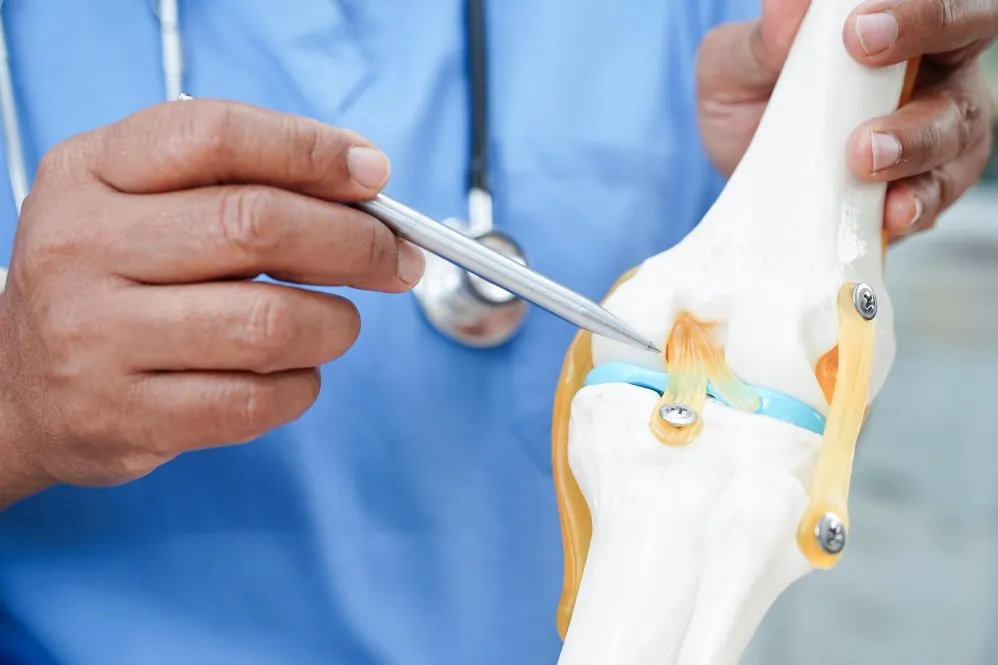
Arthroplasty is a surgical procedure used to restore the function of a damaged joint. It is commonly associated with joint replacement, particularly when arthritis or other joint conditions have caused substantial pain and limitation.
People sometimes assume that persistent knee pain automatically means they need arthroplasty. In practice, the decision is based on several factors, including symptoms, joint damage, mobility and response to previous treatment.
Why Arthroplasty May Be Considered
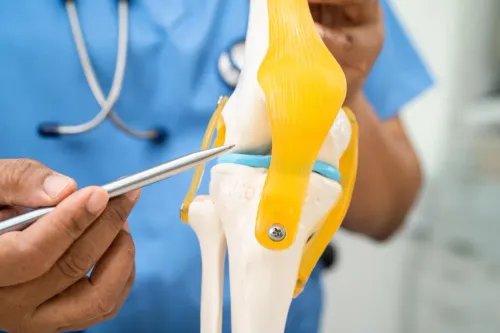
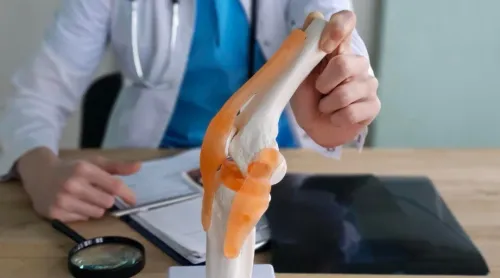
Healthy joints contain smooth surfaces that allow bones to move with relatively little friction. Conditions such as advanced osteoarthritis can gradually damage these surfaces.
As deterioration progresses, people may experience pain during walking, climbing stairs, standing for longer periods or getting up from a chair. Some may also develop stiffness and reduced range of motion.
When symptoms significantly affect daily life despite appropriate non-surgical management, an orthopaedic surgeon may discuss whether arthroplasty is suitable.
Assessment Comes Before Surgery
Dr Amey Adate is a Consultant Orthopaedic Surgeon with a clinical focus that includes knee surgery and joint replacement care in Ghatkopar, Mumbai.
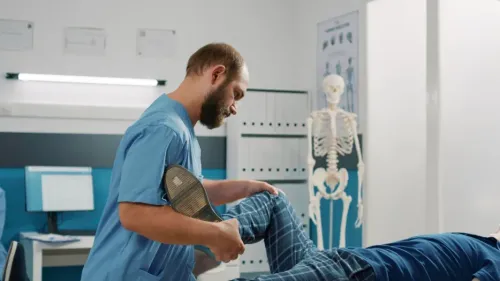
Before considering surgery, assessment may include:
- The location and severity of pain
- Walking ability
- Knee movement
- Joint stability
- Limb alignment
- X-ray findings
- Previous treatments
- General medical health
- Expectations following treatment
This evaluation helps establish whether symptoms correspond with the degree of joint damage.
Arthroplasty Is Part of a Larger Treatment Journey
Joint replacement is not simply a surgical event. Preparation before surgery and rehabilitation afterwards are important components of treatment.
Patients may receive guidance regarding exercises, mobility, wound care, medication and gradual progression of activity. Recovery timelines differ according to the individual, the procedure performed and overall health.
When Should Joint Pain Be Evaluated
Occasional discomfort after strenuous activity does not necessarily indicate severe joint disease. However, persistent pain, increasing stiffness, reduced walking capacity and difficulty performing routine activities deserve assessment.
For residents of Ghatkopar and neighbouring Mumbai areas, an orthopaedic consultation can help establish whether conservative management remains appropriate or whether arthroplasty should be considered as part of further treatment.
Keywords