A shoulder that dislocates repeatedly can interfere with exercise, work, sleep and even simple overhead movements. One possible cause is damage to the labrum following an earlier shoulder dislocation. A Bankart lesion is a particular type of labral injury that can contribute to ongoing shoulder instability.
Bankart surgery may be considered when recurrent instability continues despite appropriate non-surgical management.
Why Repeated Shoulder Dislocation Happens
The shoulder has a wide range of movement, but this mobility also means that stability depends heavily on surrounding soft tissues.
During a traumatic dislocation, the labrum and supporting structures can become damaged. After the initial injury heals, some patients continue to feel that the shoulder may slip out during certain movements.
Warning signs can include:
- Repeated shoulder dislocations
- A sensation of slipping
- Apprehension during overhead movement
- Difficulty participating in sports
- Reduced confidence using the arm
- Pain following instability episodes
When Bankart Surgery May Be Discussed
Not every first-time shoulder dislocation requires surgery. Treatment depends on age, activity level, recurrence, type of tissue damage and other clinical factors.
Dr Amey Adate’s practice in Ghatkopar, Mumbai includes shoulder arthroscopy and treatment of shoulder conditions. Where recurrent instability is linked with an appropriate Bankart lesion, arthroscopic repair may be considered.
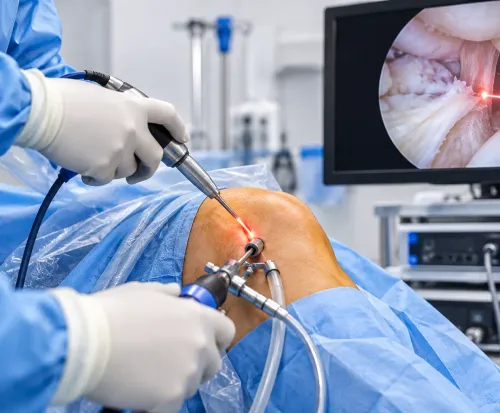
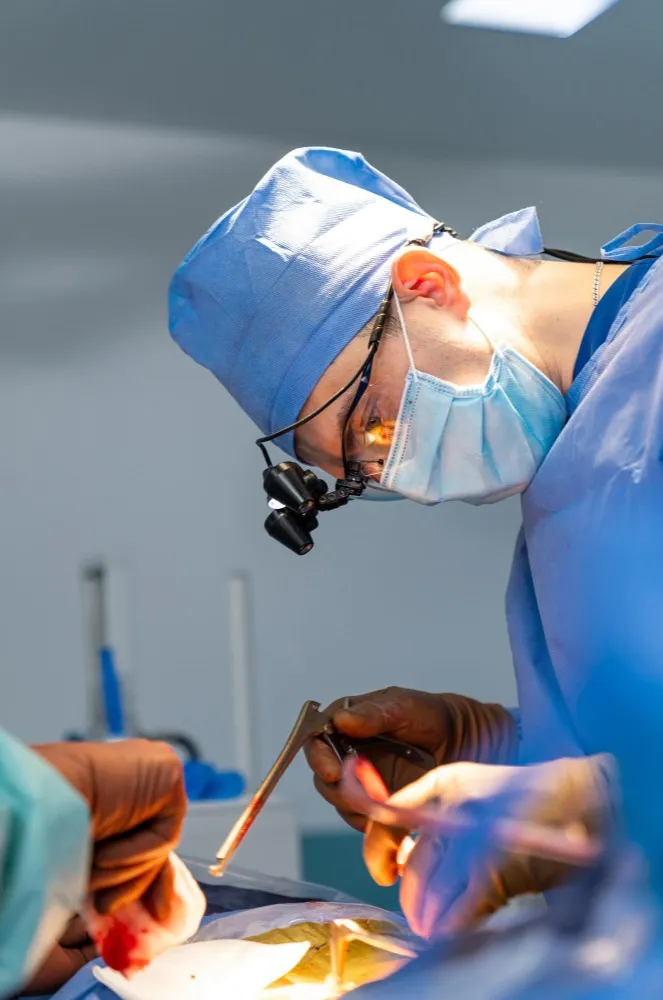
During arthroscopic Bankart repair, the damaged labral tissue is repaired to help restore stability to the shoulder.
Rehabilitation Is Essential
Surgery addresses damaged structures, while rehabilitation helps restore movement, strength and functional control.
Initially, movement may be restricted to protect the repair. Rehabilitation then progresses according to healing and clinical guidance.
Athletes usually require additional rehabilitation before returning to throwing, contact sports or other demanding shoulder activities.
Do Not Ignore Recurrent Instability
A shoulder that repeatedly dislocates should not simply be treated as a recurring inconvenience. Repeated instability episodes can affect confidence and functional use of the joint and may be associated with additional joint damage.
People in Ghatkopar experiencing repeated shoulder dislocations can benefit from an orthopaedic assessment to identify the cause of instability and understand whether rehabilitation, surgical repair or another treatment approach is appropriate.
Keywords